Avançar para o conteúdo principal

Margaret of Anjou

Margaret of Anjou (French: Marguerite) was born in 23 March 1430 in Lorraine, and she was the second eldest daughter of René of Anjou and his wife, Isabella, Duchess of Lorraine.
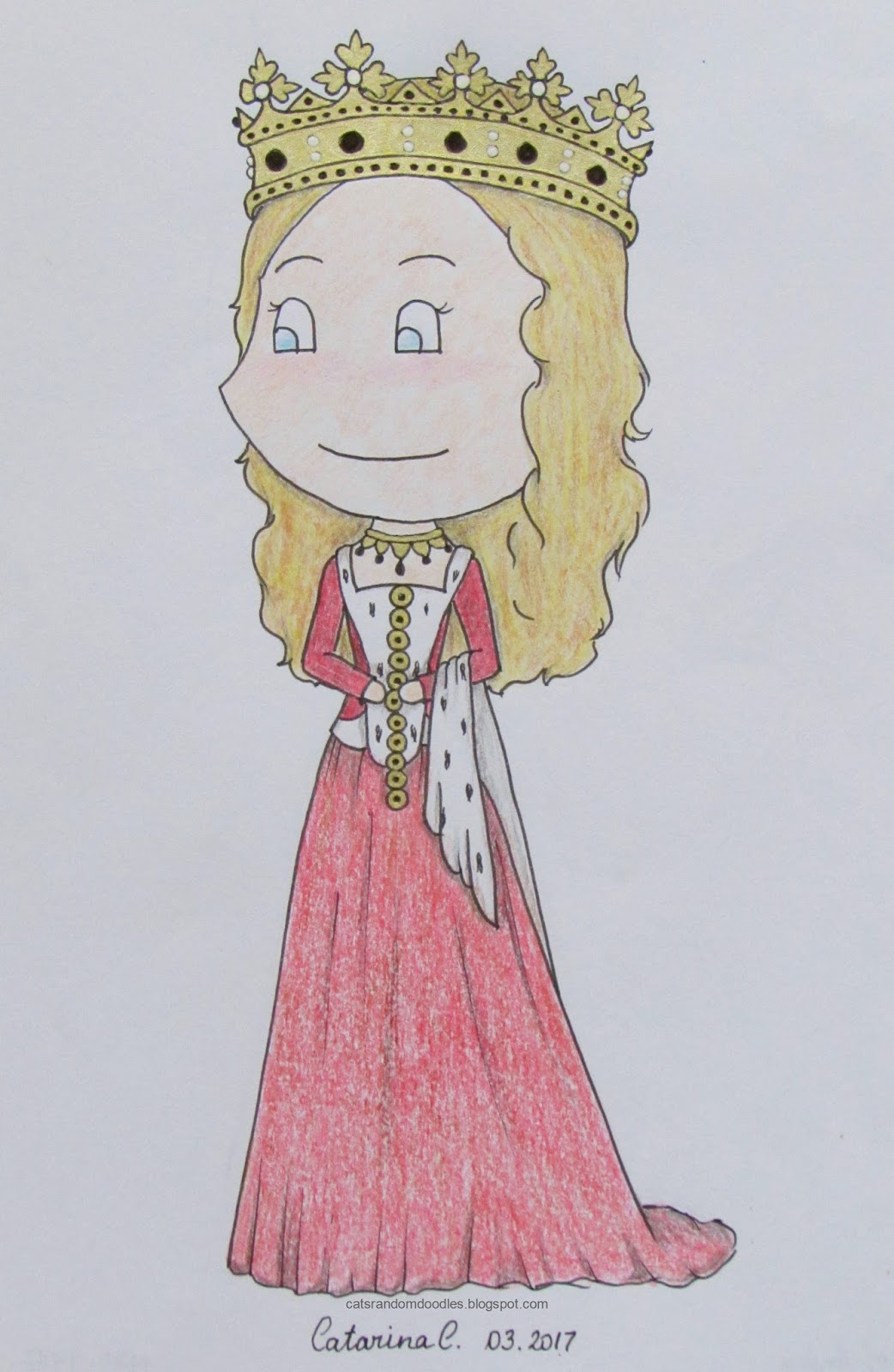


She was Queen of England by virtue of her marriage with Henry VI of England and was one of the key figures of the Wars of the Roses; at times, she even led the Lancastrian faction personally. Henry VI suffered from frequent bouts of insanity, leaving Margaret to rule the kingdom in his place. It was Margaret who called for the Great Council in May 1455 that excluded the Yorkist faction. This provided the spark that would later ignite a civil conflict that lasted for more than thirty years, decimated England’s nobility and caused the deaths of thousands of men. One of the men fallen during the Wars of the Roses was her own son, Edward of Westminster, Prince of Wales, at the Battle of Tewkesbury in 1471.

After the Lancastrian defeat at Tewkesbury, the victorious Yorkist faction took Margaret prisoner and four years later, in 1475, she was ransomed by her cousin, King Louis XI of France.

Margaret returned to France to live the rest of her life as a poor relation to the King. She died on 25 August 1482, in Anjou, at the age of 52.

The wedding of Henry VI and Margaret of Anjou
Martial d'Auvergne
(15th century)

Comentários

Mensagens populares deste blogue

Mihrimah Sultan

Mihrimah was born in Istanbul in 1522; she was the daughter of Sultan Süleyman I (aka The Magnificent) and his concubine, Hürrem Sultan . Her mother was freed in 1533 or 1534 and became the Sultan’s legal wife. On 26 November 1539, Mihrimah, aged 17, married Rüstem Pasha, who later rose to become her father’s Grand Vizier. Though this union was unhappy, Mihrimah flourished as a patroness of the arts and continued her travels with her father until her husband’s death. Mihrimah had two children: Osman and Hümaşah. Mihrimah travelled the Ottoman Empire with her father as he surveyed the lands and conquered new ones. In international politics, her mother sent letters to the Sigismund II, King of Poland, and the contents of these letters were mirrored in the letters Mihrimah sent. Although there is no proof of Hürrem and Mihrimah’s direct involvement in her half-brother Mustafa’s downfall, Ottoman sources and foreign accounts indicate that it was widely believed they worke...

Hürrem Sultan

Hürrem Sultan's birth name is unknown. It is said that it may have been Anastasia or Aleksandra Lisowska. Sources indicate that she was from Ruthenia, which was part of the Polish Kingdom. She was born circa 1502/4, in the town of Rohatyn, a major city of the Ruthenian Voivodeship. In the 1520s, Crimean Tatars captured her during one of their frequent raids into Ruthenia. Hürrem was first taken to the Crimean city of Kaffa, a major centre of slave trade, before she was taken to Istanbul. There, the Valide Sultan (the mother of the Sultan) Hafsa Sultan chose Hürrem as a gift for her son, Sultan Süleyman . Hürrem probably entered the harem at the age of 15. The precise year is unknown, but scholars believe that she became Süleyman's concubine around the time he became sultan, in 1520. Hürrem's unprecedented rise from harem slave to Süleyman's legal wife and Queen of the Ottoman Empire attracted jealousy and disfavour, not only from her rivals in the harem, but a...

Joanna, Princess of Portugal

Joanna (Portuguese: Joana) was born on 6 February 1452, in Lisbon. She was the daughter of King Afonso V of Portugal and his wife, Isabel of Coimbra. After the death of her older brother, João, Joanna was recognised as heiress presumptive to the throne of Portugal. She received the title of Princess of Portugal (usually, the younger children of the monarch had the title of Infante or Infanta of Portugal). In 1455, however, a boy was born. The new prince João was now the heir and Joanna lost her title of Princess. Among the people, however, the now Infanta Joanna was still known as Princess Joanna. From a young age, the kind and charitable Joanna expressed a desire to become a nun but, because she was the second-in-line to the throne, her father did not allow it. She spent her time in various convents, but she never took the veil. In 1471, Afonso V led a military expedition to Tangier. While he was gone, Joanna served as Regent of the Kingdom. After vehemently refu...